Reorganizing Your Morning Routine for Board Game Fun
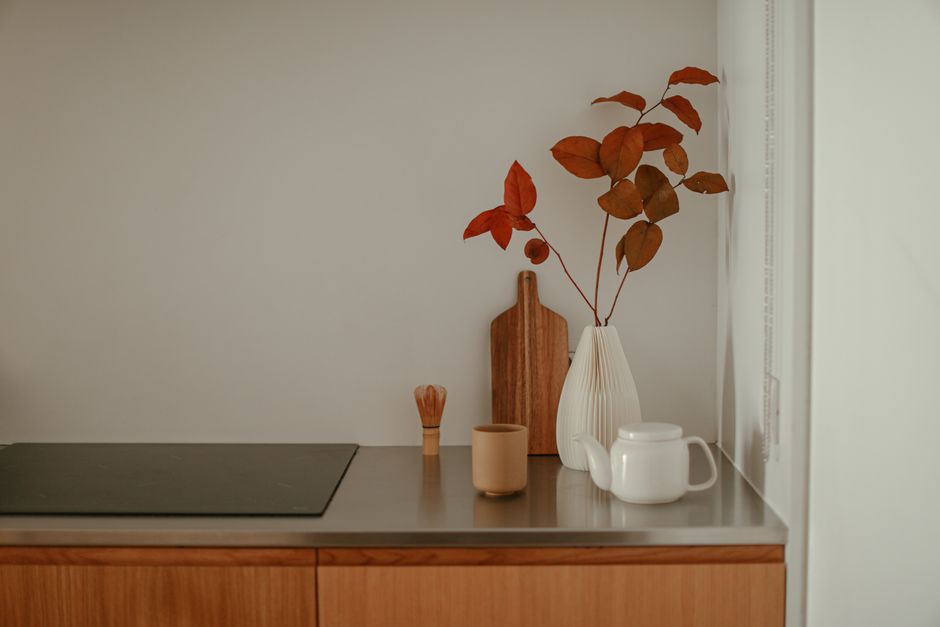
In the early morning light, the kitchen counter is cluttered with breakfast dishes and a half-opened planner, its pages still waiting for attention. A quick glance at the clock reveals that time is slipping away, and the phone buzzes with a notification, pulling focus from the task at hand. As the coffee brews, the thought of squeezing in a quick board game before heading out feels like a distant dream, overshadowed by the urgency of getting ready. The planner, still closed, holds the potential for a more enjoyable start to the day, but it remains overlooked amidst the breakfast triage.
As the routine unfolds, the sequence of actions becomes critical. The phone notification interrupts the reset, causing a cascade of missed checks. If the planner were to be opened first, right after pouring the coffee, it could serve as a visual reminder to prioritize a board game session. Placing it next to the coffee maker would create a prompt to check the weather while also considering which game might fit into the morning's rhythm. This small shift in order can transform the morning routine from a race against time to an opportunity for connection and fun.
The First Step That Gets Skipped
The kitchen counter is a chaotic mix of cereal boxes, coffee grounds, and a closed planner tucked away under a stack of mail. It’s an ordinary weekday morning, and the familiar routine of breakfast is already underway. As the toast pops up, the thought of squeezing in a quick board game before leaving the house feels like a fading possibility, overshadowed by the urgency of getting ready. The planner, which could hold the key to a more enjoyable start, remains unnoticed amidst the clutter.
Just as the coffee brews, a phone notification buzzes loudly, pulling attention away from the breakfast triage. This disruption creates a ripple effect, causing the planned activities to slip further down the priority list. If only the planner were opened right after pouring the coffee, it could serve as a visual anchor, reminding you to consider a game for just a few minutes. Placing the planner next to the coffee maker would not only prompt a check of the weather but also spark thoughts about which game might fit into the morning's rhythm.
By shifting the sequence to prioritize this initial check, the morning routine transforms from a frantic race to an opportunity for connection and fun. However, without this small adjustment, the planner remains closed, and the potential for a quick game fades into the background noise of the day.
When the Routine Begins to Slip
As the morning unfolds in the kitchen, a familiar ritual begins: coffee brews, and breakfast ingredients are scattered across the counter. However, just as you're about to check the weather on your phone, a notification pops up from a group chat, buzzing insistently. It’s a message about last night’s game, and the excitement pulls your focus away from the task at hand. The planner, which sits closed and neglected on the table, becomes another casualty of this distraction, leaving you without a clear view of the day’s schedule.
This small lapse in attention has immediate consequences. Without checking the weather, you miss the chance to decide whether to bring a light jacket for later or even fit in a quick game before heading out. The planner, which could have served as a visual cue to consider a board game, remains untouched, and the morning slips into a hurried scramble. If only you had prioritized opening that planner right after pouring your coffee, it could have triggered thoughts about integrating a game into your routine. Instead, the potential for a few moments of fun fades into the background, lost amidst the noise of notifications and unplanned distractions.
Understanding the Hidden Steps
This same friction shows up again in Everyday Life In The, especially when the day tightens unexpectedly.
The morning routine often feels like a race against time, with essential tasks slipping through the cracks. One common oversight is checking the weather, which usually doesn’t register until you’re already halfway out the door. This moment of realization can lead to a scramble for a jacket or an umbrella, disrupting your rhythm. If you had set a reminder on your phone to check the weather right after breakfast, you might have been able to plan a quick game session before heading out.
Another hidden step is the act of physically setting out the board game. It’s easy to think, "I’ll just grab it later," but that thought often gets lost in the morning chaos. Instead of leaving the game tucked away in a drawer, pull it out and place it on the kitchen counter next to your coffee maker. This simple adjustment not only serves as a visual cue but also makes it easier to integrate a few moments of fun into your day. Without this small act, the board game remains an afterthought, overshadowed by notifications and the pressure of the day ahead.
A Better Order for the Same Five Minutes
A slightly different version of this problem appears in Daily Routines Real Life, where the sequence changes but the hidden drag feels familiar.
On weekday mornings, the kitchen counter often becomes a battleground of choices: coffee brewing, toast popping, and the planner lying closed beside the cereal box. Instead of letting the planner fade into the background, place it prominently next to the breakfast items. This small act transforms it from a forgotten object into a central part of your morning routine, creating a visual reminder of the day ahead.
Before diving into the flood of phone notifications, take a moment to check the weather. This simple sequence shift—weather check first, notifications second—can save you from a last-minute scramble. If the forecast calls for rain, you might decide to squeeze in a quick board game session before heading out, rather than getting caught unprepared. With the planner open to today’s agenda and the weather in mind, you can prioritize your time effectively.
By adjusting the order of these actions, you not only set the stage for a more organized morning but also create opportunities for fun. The board game you’ve been meaning to play can easily fit into the gaps of your routine if you remember to set it out the night before. Without this shift, the game risks being overlooked in the chaos of notifications and breakfast prep, leaving you with just a sense of missed potential.
What to Check Before the Phone Takes Over
The kitchen counter is cluttered with breakfast dishes, yet the planner lies open, inviting focus. Start by checking the weather on your phone before diving into notifications. This small shift in sequence can transform your morning. With the forecast in mind, you can decide whether to grab a light jacket or plan for a quick board game session before heading out.
Once you’ve assessed the weather, the atmosphere feels less rushed. You can now clear a small space on the counter for a quick game setup. Place the board game box next to the planner, where it’s easily visible. This simple act ensures that it doesn’t get lost in the chaos of breakfast prep or overlooked by a flood of incoming messages.
As you pour your coffee, glance at the planner again. With your game in sight, you can mentally slot it into your evening routine, knowing that it’s ready to go. This proactive approach allows you to enjoy a brief moment of fun before the day takes over. Without this adjustment, the game might remain untouched, buried under the weight of daily tasks and notifications, leaving you with a lingering sense of missed fun.
As you finish breakfast, take a moment to check the weather on your phone. This quick action not only informs your outfit choice but also serves as a mental reset. With the forecast in mind, you can decide whether to grab a light jacket or plan for a quick board game session before heading out. The game box, now placed next to your planner on the kitchen counter, becomes a visual cue that beckons you to engage with it later. Without this small adjustment, the game could easily slip your mind, buried beneath the morning's busyness.
Next time you find yourself in this routine, remember to make that simple check before diving into the day. By ensuring the game is visible and accessible, you set the stage for a seamless transition into a fun evening. The act of placing the game box where you can see it not only enhances your morning but also keeps the idea of playfulness alive as you move through your day.