The Evening Game Routine That Slips Away
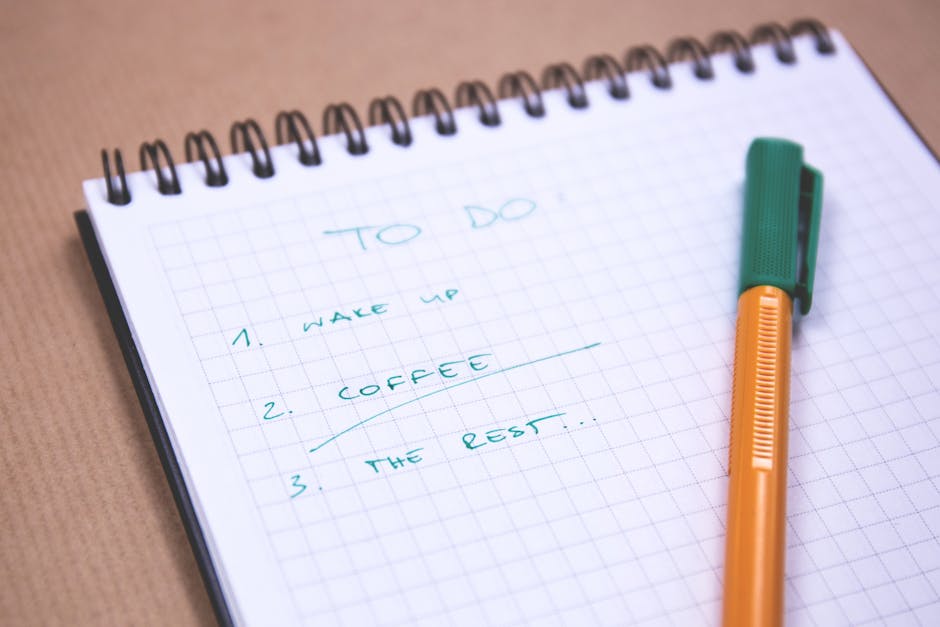
As the clock ticks toward dinner time, the kitchen counter is a flurry of activity. A parent stands there, juggling the remnants of a busy day: a lunch container left in the sink, dirty dishes piled high, and a notebook open to a list of evening tasks. After a long day of work and school pickups, the last thing on their mind is setting up for a board game. Instead, the focus shifts to preparing a quick meal, while the thought of enjoying a game later fades into the background.
In the midst of this chaos, small habits slip through the cracks. The evening routine often starts with a rush, leaving no time to gather the board games or set out breakfast items for the next morning. The counter, cluttered with dishes, becomes a barrier to even the simplest preparations. With the game box still tucked away in a drawer, the excitement of family game night gets lost among the daily reset. This missed check can derail the entire evening, transforming what could be quality family time into a scramble for clean plates and forgotten tasks.
When the Evening Routine Gets Crowded
The kitchen counter is a battlefield of dirty dishes, remnants of dinner still clinging to plates and utensils. As the parent resets items near the door, a lunch container sits neglected in the sink, a reminder of the chaotic afternoon. Keys jingle in hand, and a notebook lays open to a list of evening tasks, but the thought of setting up a board game feels like a distant dream. The clutter around them not only blocks the counter but also crowds out the space needed for the board and pieces, making it hard to shift gears into family fun.
Even as they prepare for the next day, the evening routine becomes a race against time. The first step should be clearing the counter, yet the dirty dishes take precedence, creating a barrier to even the simplest preparations. With the board game box still tucked away in a drawer, the excitement of family game night fades into the background. If they could just set out breakfast items like cereal and bowls where they’re easily seen, it might ease the morning rush. Instead, the focus remains on cleaning up, and the chance for a cozy game night slips further away, lost in the shuffle of daily responsibilities.
Where the Routine Begins to Slip
As the evening wears on, the kitchen counter becomes a battleground of dirty dishes and half-finished tasks. The lunch container, still soaking in the sink, adds to the chaos, making it hard to see any clear path to family game night. The thought of setting up a board game gets lost in the shuffle of cleaning up after dinner, and the excitement fades as the clutter mounts. With the clock ticking, the focus shifts to immediate tasks, leaving no room for the small habit of preparing the game.
Instead of placing out breakfast items like cereal boxes and bowls where they can be easily spotted in the morning rush, attention is consumed by the dishes piled high. This simple act of preparation gets overlooked, and the board game box remains tucked away in a drawer, waiting for a moment that never comes. The missed check on the evening routine creates a ripple effect; without the game set up, the chance for a cozy family gathering slips further away, overshadowed by the pressing need to restore order to the kitchen.
Why Friction Happens in Ordinary Life
Evening routines often falter when the kitchen counter is cluttered with dirty dishes and leftover meal prep items. As a parent trying to salvage family time after a busy day, the sight of a lunch container still soaking in the sink can be disheartening. It’s a visual reminder that the evening is already slipping away, and the space needed for board game setup is swallowed by chaos. Without a clear spot to lay out the game, the board remains tucked away, and the energy for a fun night diminishes.
The mental load increases as multiple tasks vie for attention. With the clock ticking, priorities shift from setting up a game to tackling the immediate mess. Evening fatigue sets in, making the idea of pulling out a board game feel like an extra chore rather than a source of joy. Instead of placing out breakfast items like cereal boxes and bowls where they can be easily spotted in the morning rush, the focus turns to cleaning the kitchen. This hidden step—neglecting to prepare for tomorrow—creates a tradeoff that makes it harder to engage in the fun of family game night. Good intentions fade under the weight of fatigue and distraction, leaving the board game box waiting for another day that may never come.
A Simple Adjustment to Change the Sequence
If this pattern keeps repeating, Everyday Life In The extends the idea without leaving the niche.
Evenings can quickly spiral into chaos, especially when dirty dishes pile up in the sink, leaving the kitchen counter cluttered and unusable. This clutter often pushes aside the idea of setting up a board game after dinner. Instead of reaching for the game box, the focus shifts to cleaning the kitchen, and before you know it, the night slips away without a single roll of the dice. An easy fix is to place the game components, like the board and pieces, in a visible spot near the door. This way, they serve as a reminder to engage in family fun.
Incorporating a quick checklist for evening tasks can also streamline the routine. After dinner, tackle the dishes but prioritize placing the game on the counter first, making it the first visible object in the evening reset. Adjusting the timing of cleanup can help; for instance, when the kids are finishing their meals, quickly set aside the game while you handle the dishes. This small sequence change not only creates a dedicated space for the game but also reinforces the habit of family game night, ensuring it doesn’t get lost in the evening rush.
How This Adjustment Affects the Next Evening
This same friction shows up again in Daily Routines Real Life, especially when the day tightens unexpectedly.
With the board game components set out on the kitchen counter, the family can transition smoothly from dinner to game time. Instead of feeling rushed to clean up, everyone sees the game waiting and feels encouraged to gather around. This simple visual cue makes it easier to shift focus from the dishes to the fun ahead.
When the counter is clutter-free, it creates a more inviting space for board games. A clean surface allows for quick setup, and it’s easier to grab the game box without having to clear away dirty plates or stray utensils. One effective strategy is to place the game box right next to the dish rack, so it’s the first thing noticed while cleaning up. This small adjustment can transform the evening routine into a more consistent habit of family fun.
As the week progresses, this setup reinforces the habit of playing games after dinner. The kids start to anticipate the evening routine, making it a cherished part of their day. By prioritizing the game’s visibility, the family cultivates a joyful atmosphere where board games become a staple of their weekday evenings, rather than an afterthought lost in the chaos of cleanup.
As the evening routine unfolds, the temptation to skip board games often arises when the kitchen counter is cluttered with dirty dishes. If the lunch container has been left in the sink, it can easily become a barrier to setting up a game. This small oversight can turn a potential family bonding moment into just another rushed evening. A simple solution is to place the game box on the counter, right next to the dish rack. This way, it catches the eye while clearing away the dinner mess, making it a natural part of the cleanup process.
By integrating the game box into the evening reset, it serves as a reminder to prioritize family fun. When the game is visible, it encourages everyone to shift focus from the chores to the enjoyment ahead. This small adjustment can help ensure that board games don’t slip through the cracks on busy days, reinforcing the habit of making time for play amidst the chaos of weekday life.


