When Board Games for Everyday Fun Become a Challenge
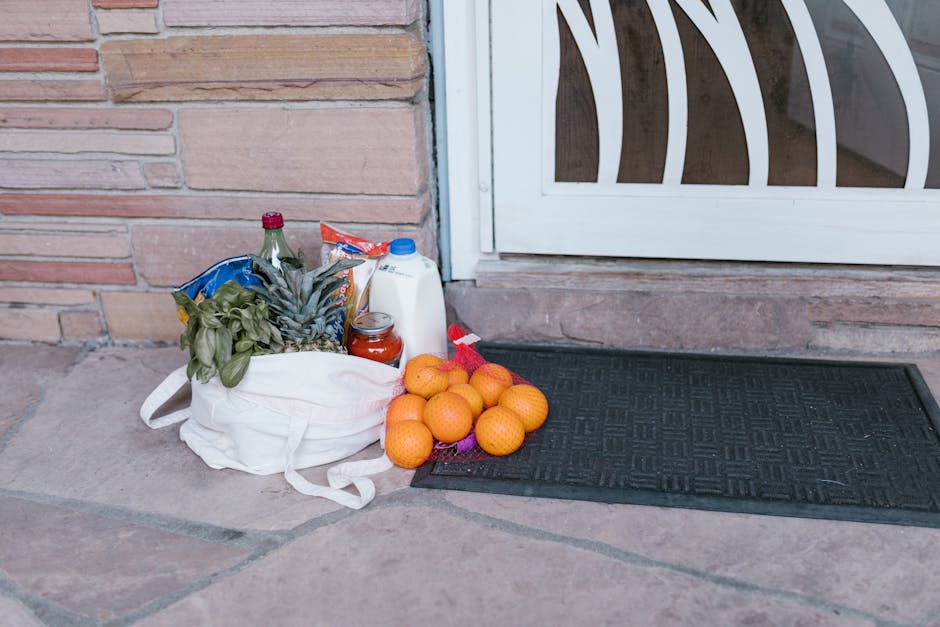
As the clock ticks toward dinner, a parent stands in the hallway drop zone, surrounded by the remnants of the day—keys, a notebook, and a bag waiting to be packed for evening activities. The familiar routine of resetting for the evening feels simple: grab the lunch container from the sink, check the game shelf for the family favorite, and set the alarm across the room to signal the start of game night. Yet, amidst this ordinary weekday moment, a phone notification buzzes, pulling attention away from the task at hand. The bag remains half-packed, and the excitement of board games begins to fade into the background.
This small disruption creates a ripple effect. The lunch container, still soaking in the sink, becomes a reminder of the unfinished tasks that pile up as the evening unfolds. With each moment spent distracted, the chance to gather everyone for a quick reset diminishes. By the time dinner wraps up, the family may find themselves scrambling to fit in a game, but the earlier steps—checking the bag, confirming the game choice, and ensuring everyone is ready—have been overlooked. The simple act of preparing for board games becomes a missed opportunity, highlighting how easily daily routines can slip through the cracks when life’s little interruptions take center stage.
The Evening Reset That Often Fails
Near the front door, a small table becomes the evening drop zone, cluttered with backpacks, keys, and a half-open notebook filled with reminders. As the clock ticks towards 6 PM, the intention to play a board game after dinner lingers in the air, but the reality of the moment often derails those plans. The bag sits there, waiting for its daily reset—snacks tucked in, game pieces checked, and a quick glance to ensure the family favorite is ready to go. Yet, with the dinner rush looming, the preparation often begins too late.
As the evening unfolds, a phone notification buzzes from the kitchen counter, pulling attention away from the task of packing. The bag remains half-prepped, and the excitement for board games starts to fade. The lunch container, still soaking in the sink, serves as a reminder of unfinished tasks that pile up. Before leaving the room, a quick check of the bag is essential, but it’s often skipped in the chaos. The simple act of gathering everyone for a quick reset becomes a missed opportunity, as the clock ticks on and the family finds themselves scrambling to fit in a game, leaving behind the earlier steps that could have made the evening smooth and enjoyable. When Notifications Disrupt the Flow The hallway drop zone is cluttered with backpacks, shoes, and a half-packed bag waiting for its evening reset. As the parent reaches for the game pieces, a phone buzzes loudly from the kitchen counter, pulling attention away. It’s a notification from a group chat, and just like that, the focus shifts. The excitement of game night hangs in the balance, but the distraction leads to forgotten items. The bag, which should have been prepped with snacks and a family favorite game, is now only half-filled.
In the rush to respond, the parent skips a crucial check before leaving the room. The lunch container, still soaking in the sink, is a visible reminder of the tasks left undone. This small habit of checking the bag could have ensured everything was in place, but instead, it’s overlooked. The consequence is immediate: the family gathers around the table, but without the necessary supplies, the planned game night feels more like a chore than a fun escape. As the clock ticks on, the energy for board games starts to wane, highlighting how easily a single notification can derail an evening's plans.
Why Simple Routines Slip Away
Evening game nights often hinge on a few simple routines, but distractions can quickly derail the best intentions. As the parent stands in the hallway drop zone, the bag meant for game night is only half-prepped. The phone buzzes with a notification, pulling attention away from the task at hand. In that moment, the opportunity to check the bag for essentials like snacks and game pieces slips away.
- Without a quick glance at the bag, the family favorite game remains on the shelf, forgotten.
- The lunch container, still soaking in the sink, serves as a visible reminder of overlooked tasks.
- The alarm, set across the room, could help signal when to start winding down, but it’s easy to ignore amidst the chaos.
This cumulative effect of distractions turns what should be a joyful preparation into a hurried scramble. The hidden step of checking the bag before leaving the room is often skipped, leading to a game night that feels more like a missed opportunity than a cherished family tradition. Good intentions are not enough when the small habits of daily resets are overlooked, making it clear that even the simplest routines can become complicated when life gets in the way.
A Quick Checklist for Evening Readiness
A slightly different version of this problem appears in Everyday Life In The, where the sequence changes but the hidden drag feels familiar.
As the clock ticks toward evening, the hallway drop zone becomes a cluttered reminder of what needs to be done. A quick glance reveals the lunch container still soaking in the sink, an easy item to overlook during the rush. This small detail can derail the entire evening if not addressed. When packing the bag for game night, it’s essential to ensure that all necessary items are ready, not just the snacks but also the game itself, which can easily get buried under last-minute school papers or stray toys.
Before heading out the door, take a moment to check the bag for essentials. This should include verifying that the game is not only packed but also accessible. If it’s hidden beneath a pile of books, the excitement of game night can quickly turn into frustration. A simple sequence change—placing the game on top of the bag instead of shoving it in last—can make all the difference. Setting the alarm across the room serves as a reminder to start winding down, but it’s the act of checking that can prevent a forgotten game from ruining the night.
Even with good intentions, the friction of daily routines can complicate what should be a straightforward process. The phone notification that interrupts the reset can easily lead to distractions, making it easy to forget that final check before leaving the room. This cumulative effect of overlooked tasks turns preparation into a hurried scramble, and as the family gathers, the absence of a favorite game can feel like a missed opportunity. Recognizing these friction points is crucial for building a more consistent evening routine.
How Small Adjustments Make a Big Difference
If this pattern keeps repeating, Daily Routines Real Life extends the idea without leaving the niche.
As the evening approaches, the hallway drop zone becomes a flurry of activity. A bag sits open, waiting for the essentials: keys, a notebook, and, of course, the board game that promises to be the highlight of the night. However, the simple act of preparing can quickly become a source of friction. Just last week, a phone notification interrupted the flow, leading to a forgotten game and a disappointed family.
To ease this tension, setting the alarm across the room serves as a practical reminder to start winding down. This small change forces a moment of reflection before the chaos of dinner and cleanup. When the alarm goes off, it’s not just a signal to stop; it’s a cue to check the bag. A quick scan ensures that the lunch container, which often stays in the sink, is not the only thing left behind.
Incorporating a quick check before leaving the room can be transformative. It’s as simple as glancing at the bag to confirm that the game is on top, ready to go. This habit, once established, reduces the frantic searching later on, making the transition to game night smoother. The benefit is clear: a few extra moments spent preparing can lead to a more enjoyable evening, free from the stress of forgotten items. Yet, even with these adjustments, the potential for distraction remains a lurking challenge, reminding us that consistency in these small habits is key to truly enjoying board games for everyday fun.
As the evening unfolds, the allure of board games can easily be overshadowed by the chaos of daily life. A missed check on the bag or a forgotten game can turn excitement into frustration. The hallway drop zone becomes a battleground where keys, notebooks, and half-packed bags vie for attention, often leading to a last-minute scramble. A simple act of placing the game on top of the bag before leaving the room can prevent the all-too-common scenario of realizing it’s missing just as the clock ticks closer to game night.
Setting an alarm across the room serves as a reminder to check that bag before heading out. This small adjustment not only promotes a smoother transition but also reinforces the habit of preparation. By making this a consistent part of the evening routine, the potential for distractions—like a phone notification—becomes less of a threat. Ultimately, it’s the small habits that build a reliable structure for enjoying board games for everyday fun, ensuring that the joy of play isn’t lost in the shuffle of daily routines.