Why Board Game Nights Often Falter at Daily Reset
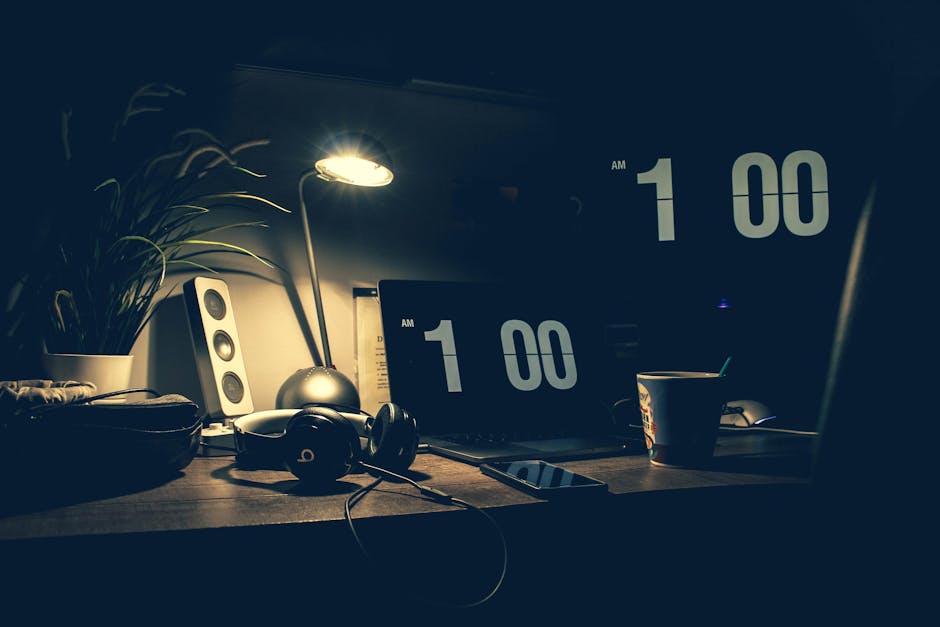
As the clock ticks past 6 PM, the remote worker stands in the hallway drop zone, staring at a pile of dirty dishes stacked in the sink. The remnants of lunch, including a half-empty container, sit neglected, blocking the path to a clean kitchen counter. This clutter creates a mental barrier, making it hard to envision an evening of board games with family. The intention is there, but the setup feels overwhelming, and the thought of clearing the mess before diving into a game feels like an insurmountable task.
In moments like these, the evening routine can quickly unravel. The worker knows that packing the game bag the night before would ease the transition, but the dishes linger as a nagging reminder of the day’s chaos. Each dirty plate becomes a reason to delay, pushing the idea of family game night further down the list of priorities. This friction illustrates how a small oversight, like failing to check off the evening reset tasks, can derail even the best-laid plans for everyday fun.
The Routine That Should Work
After a long day of remote work, the vision of a smooth transition from desk to game night feels just out of reach. Ideally, the evening reset begins with a clean kitchen counter, free of distractions. The game bag sits ready by the front door, packed with all the necessary components—dice, cards, and even a few snacks. This setup not only signals the shift from work to play but also simplifies the process of gathering everyone for a game.
However, when dirty dishes clutter the counter, this ideal quickly collapses. The lunch container, still lingering in the sink, serves as a reminder of the day’s chaos, making it hard to focus on the evening’s plans. Instead of grabbing the game bag and heading to the living room, the worker finds themselves stuck in the kitchen, washing plates and clearing space. This friction interrupts the flow, turning what should be a quick grab-and-go into a drawn-out chore, ultimately delaying the family game night.
To counteract this, a small adjustment can make a significant difference: moving the daily reset tasks to the night before. By taking just a few minutes after dinner to pack the game bag and clear the counter, the worker can create a welcoming environment for play. This simple shift not only saves time but also helps establish a consistent routine, making game night feel like a natural extension of the day rather than a chore to be squeezed in.
Where the Routine Breaks Down
Evening routines can quickly unravel when faced with unexpected friction points. As the remote worker stands in the hallway drop zone, ready to unwind with a board game, the sight of dirty dishes piled high on the kitchen counter becomes an immediate barrier. The clutter not only occupies valuable space but also creates a mental block, making it difficult to transition into a relaxed mindset. The lunch container, still lingering in the sink, serves as a reminder of the day’s chaos, further complicating the situation.
This moment illustrates a critical failure in the daily reset. Instead of effortlessly grabbing the game bag and heading to the living room, the worker finds themselves stuck in the kitchen, washing plates and clearing space. This delay transforms what should be a quick grab-and-go into a drawn-out chore, derailing the evening’s plans. The first visible sign of drift occurs right here, where motivation wanes, and the routine falters. To counteract this, a small adjustment can make a significant difference: moving the daily reset tasks to the night before. By taking just a few minutes after dinner to pack the game bag and clear the counter, the worker can create a welcoming environment for play.
In this way, the evening routine can shift from a chaotic scramble to a more structured, enjoyable experience. The simple act of checking off the dishes before game night not only saves time but also helps establish a consistent habit. With a cleared counter and a packed game bag, the worker can finally embrace the joy of family game night without the nagging reminders of the day’s mess still hanging in the air.
A Small Change That Makes a Big Difference
A slightly different version of this problem appears in Everyday Life In The, where the sequence changes but the hidden drag feels familiar.
After a long day of remote work, the evening routine can quickly devolve into chaos, especially when dirty dishes pile up in the sink. This clutter not only occupies precious counter space but also becomes a visual reminder of the day’s fatigue, making it hard to transition into a fun family game night. The moment the worker steps into the kitchen, they’re greeted by the sight of a lunch container still soaking in the sink, a clear signal that the evening reset is off to a rocky start.
To combat this friction, the worker can implement a small but effective change: packing the game bag the night before. By setting aside just ten minutes after dinner to gather the game components and store them in a designated spot, they create a streamlined process for the next evening. This simple act not only clears the counter of clutter but also shifts the focus from post-work fatigue to anticipation for the game night ahead. With a packed game bag and a clean counter, the worker can finally enjoy the evening without the distractions of a messy kitchen.
By making this adjustment, the worker transforms their evening routine from a disorganized scramble into a more inviting atmosphere for play. The key is consistency; by routinely clearing the space and preparing the game bag, they lay the groundwork for a smoother transition into fun. This small correction, when integrated into the weekday routine, can significantly enhance the enjoyment of family board games, turning good intentions into lasting habits.
What Becomes Easier After the Correction
If this pattern keeps repeating, Daily Routines Real Life extends the idea without leaving the niche.
After a long day of remote work, the evening routine can feel overwhelming, especially when the kitchen counter is cluttered with dirty dishes. The lunch container, for example, sits neglected in the sink, making it hard to clear off space for game setup. However, by making a small adjustment—packing the game bag the night before—this friction point begins to dissolve. Instead of battling against the mess, the worker can simply grab the pre-packed bag from the hallway drop zone and set it on the counter.
This minor change transforms the task of setting up games into a quick, enjoyable experience. With the bag ready to go, the worker can easily pull out the components and lay them out without the distraction of a messy kitchen. The anticipation for game night shifts from a distant hope to an immediate reality, allowing for a smoother transition into playtime.
As a result, the likelihood of engaging in board games regularly increases. When the setup becomes a simple task rather than a chore, the worker is more inclined to initiate game nights, even on busy weekdays. The next time block, previously reserved for cleaning up or feeling fatigued, can now be dedicated to laughter and strategy over the game board. This small correction not only clears physical space but also mentally prepares the worker for a more enjoyable family interaction.
After a long day, the remote worker often finds themselves staring at a cluttered counter, the lingering dirty dishes from lunch a constant reminder of the day’s chaos. This clutter can easily overshadow the excitement of a planned game night. By simply moving the lunch container to the sink the night before, they can create a more inviting space for their evening routine. This small act not only clears the physical area but also signals a shift in mindset—preparing for fun instead of feeling weighed down by chores.
As the worker approaches the evening reset, they can take a moment to pack the game bag while the kitchen is still tidy. By placing the bag near the hallway drop zone, it becomes a visible prompt for game night, making it less likely to be forgotten amid the evening rush. This simple adjustment transforms the setup from a burdensome task into an effortless transition, reinforcing the habit of enjoying board games regularly, even on the busiest of weekdays.


